Phytocontrol analyses ethylene oxide
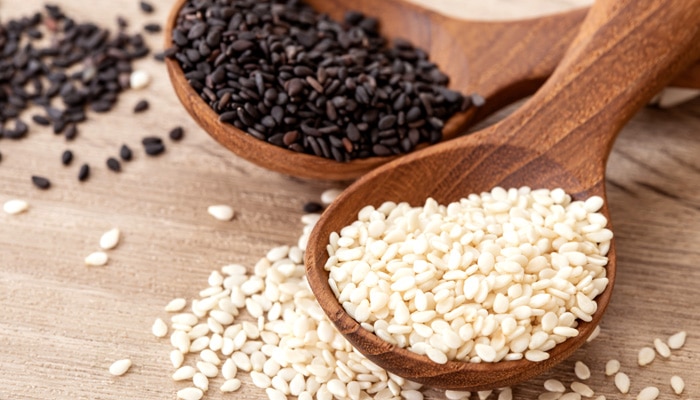
In September 2020, Belgium launched the first alert concerning the detection of ethylene oxide in sesame seeds from India.
This active ingredient, not authorised in Europe, is a fumigant with antibacterial and antifungal properties.
Since then, numerous recalls of these contaminated seeds and the products in which they were used (breads, flours, biscuits, etc.) have been carried out across Europe.
Levels one thousand times higher than the maximum residue limit of 0.05 mg/kg for ethylene oxide according to Regulation (EC) No 396/2005 have been detected.
In response to this crisis, the implementing regulation (EU) 2020/1540 has put in place reinforced border controls on sesame seeds.
In this context, our R&D department has developed a method for analysing ethylene oxide and its metabolite 2-Chloroethanol according to the definition of regulatory residues on oilseeds (including sesame) and cereals at a LQ of 0.01mg/kg.
The history of European alerts issued targets products from India and Vietnam. On the other hand, Ethylene Oxide is an active substance authorised for use in Canada and Australia.
In France, the DGCCRF has carried out numerous recalls of batches containing non-compliant sesame seeds and a press release was published on November 24th. The list of affected products is available on the DGCCRF website.
Need technical, regulatory and pricing information? Our customer service is available from 8am to 8pm from Monday to Friday at +44 (0) 2037 430 973 or service-clients@phytocontrol.com
And to not miss anything of the Phytocontrol news, join us on our LinkedIn and Facebook page!