New microbiological analysis in water
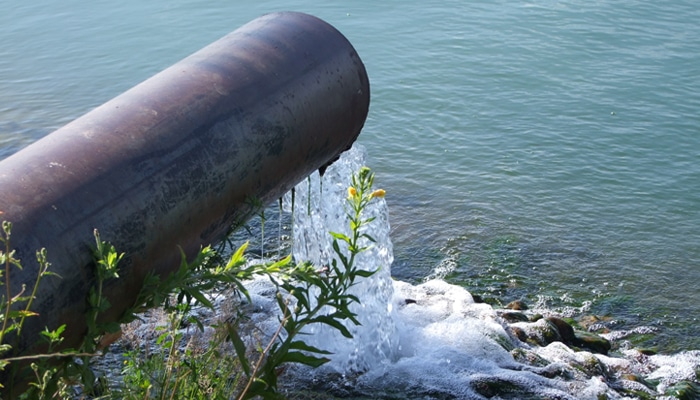
The Hydrology department of Phytocontrol has developed a new analysis on sulfito-reducing anaerobic micro-organisms and their spores including clostridium perfringens.
After the three rapid methods of microbiological water analysis for E.coli, Coliforms, Intestinal Enterococci and Salmonella, the laboratory is expanding its offer in hydrology with the enumeration of spores and vegetative forms of Clostridia present in all types of water: human consumption, waste, surface, bathing, drilling, lakes, rivers and ponds.
Spores of anaerobic sulphite-reducing microorganisms (Clostridia) are present in human and animal faeces, as well as in wastewater and soil. Like coliforms and Escherichia coli, they serve as an index of faecal contamination, but also as indicators of treatment efficiency due to their higher resistance in water. Indeed, they are resistant to chlorination in the proportions usually used for water treatment.
In addition, they are germs capable of reproducing and remaining in the water for a very long time in the vegetative form of spores. Their presence in the water, in the absence of other faecal germs, can be interpreted as a failure to protect the water table against the presence of foreign bacterial flora. The spores of clostridium perfringens are more resistant and therefore more persistent in the environment, thus allowing a finer detection of the sanitary state of the water.
Toxicity
After ingestion of Clostridia spores, they settle in the host’s small intestine, usually causing diarrhoea, nausea and severe stomach pain. One of the best known strains, Clostridium perfringens, is one of the most pathogenic strains causing severe gangrene and sometimes septicaemia.
The Phytocontrol solution
The Phytocontrol laboratory is able to carry out the enumeration of spores of anaerobic sulfitorreducing microorganisms, and vegetative and sporulated forms of Clostridium perfringens according to standard methods:
- NF EN 26461-2 (Membrane filtration)
- NF EN 14189 (Membrane filtration)
For all technical, pricing and/or regulatory information, please do not hesitate to contact us.