COFRAC accredited Phytocontrol on Noroviruses (GI, GII) and hepatitis A (VHA)
As part of its flexible COFRAC scope, Phytocontrol is accredited on Norovirus (GI, GII) and Hepatitis A (VHA)
The laboratory is thus able to carry out under COFRAC accreditation, within very short deadlines, the search for Norovirus GI, GII and hepatitis A virus (HAV) and to access the detection of these parameters on the following matrices: frozen and fresh fruits, vegetables, bivalve molluscs, as well as food surface sampling by swabbing.
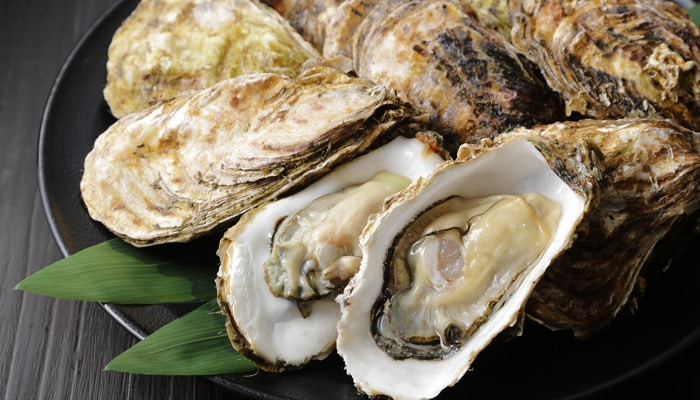
Noroviruses and hepatitis A are the main enteroviruses responsible for collective foodborne infections. The modes of transmission are determined by the exceptional resistance of the virus and its high concentration in the stool. The main mode of transmission is essentially oral. A particular risk is associated with the consumption of dirty shellfish and raw vegetables.
The research is to be carried out mainly in the following foods:
– Those that may be contaminated in production: food grown by irrigation (fruit) or immersion (bivalve shellfish), drinking or distribution water. The majority of foodborne norovirus outbreaks have been linked to the consumption of contaminated shellfish during accidental spills of wastewater or distribution water from the system as a result of malfunctions in the system.
– Foods that can be contaminated when handled without hygiene precautions by an infected person (potentially any type of handled food consumed as such or undercooked after handling).
This new achievement allows Phytocontrol to strengthen its COFRAC accreditation scope for food analysis (accreditation n°1-1904 available on www.cofrac.fr).
For any technical, pricing and/or regulatory information, do not hesitate to contact us.