New COFRAC accreditations on complex matrices

Always at the forefront of technology, the recent renewal of its analytical fleet of latest generation devices (LC-MS/MS, GC-MS/MS, GC-MS/MS, LC-QTOF…) allows Phytocontrol to extend its scope of accreditation on pesticide analyses on complex matrices.
Perfume, aromatic and medicinal plants
Plant extracts are extremely complex matrices to analyse due to their high concentration, creating much more interference than conventional matrices. Only a few expert laboratories are able to carry out this type of service.
The Phytocontrol Laboratory is able to analyse and quantify a wide list of 600 pesticide residues, some of which are under accreditation, using a high-performance method using the latest generation LC-MS/MS technology.

Spices

Complex matrices, spices have a high content of pigment and aromatic compounds, which generates interference and makes it more difficult to interpret the result. Phytocontrol has developed a new method to be accredited on spices using the latest generations of analytical technologies. The laboratory is thus able to detect more than 600 pesticide residues, some of which are under accreditation.
Essential oils
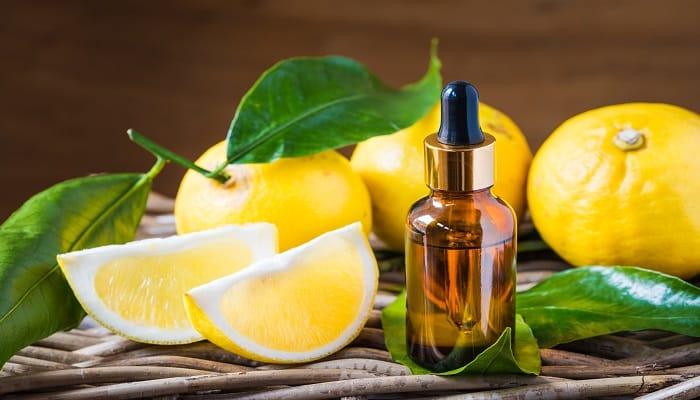
Essential oils are highly interfered matrices and are subject to known analytical difficulties in terms of detection and quantification. Phytocontrol Laboratory is able to determine a wide list of 480 pesticide residues, using a high-performance LC-QTOF method, combined with a GC-MS/MS multi-residue sweep. Thanks to the performance of its R&D department, two specific matrices of essential oils are now being analysed under COFRAC accreditation: orange and lemon.
Our expertise, proximity and reactivity allow you to benefit from the best analytical service, with the delivery of your reports in the shortest possible time (3 to 5 days).
For any technical, pricing or regulatory information, do not hesitate to contact your regional Phytocontrol agency.