Innovation Large Screening Drug Residues
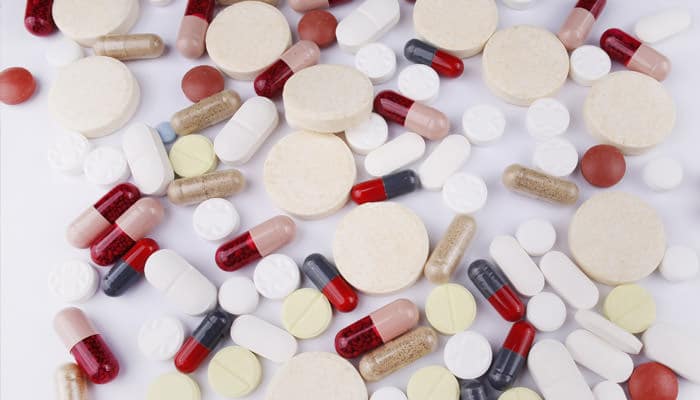
Phytocontrol’s R&D department has developed an innovative method for the analysis of drug residues on a number of chemical families unrivalled in France.
The laboratory is thus able to detect and quantify a large list of drug residues using a high-performance HPLC-QTOF technique, supplemented with LC-MS/MS, in a package that also includes Chloramphenicol.
The purpose of the use of veterinary medicinal products is to affect the health and welfare of animals intended for production, leisure or human company. These pharmacologically active substances and their associated excipients may be found in different forms in foodstuffs. Phytocontrol has thus developed its analysis on a wide spectrum of matrices of animal origin such as meat, fish, eggs, milk and honey.
The limits of quantification are in accordance with the Maximum Residue Limits (MRLs) defined in Commission Regulation (EU) No 37/2010 of 22 December 2009 and its amendments concerning pharmacologically active substances and their classification.
Phytocontrol’s latest generation analytical equipment enables the Laboratory to achieve high-performance LQs from 0.1 μg/kg.
For information on drug residues, please contact our agencies.