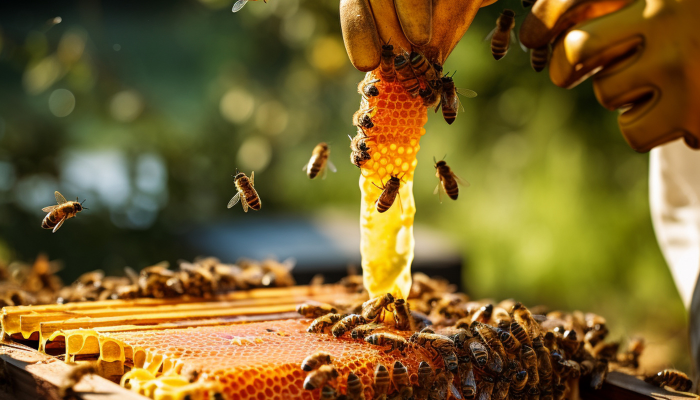
Massive fraud on imported honeys
At the beginning of 2023, the European Commission published its investigation report on fraud involving imported honeys from third countries. The report reveals that 46% of the samples taken are suspected of fraud by adulteration, mainly through the addition of exogenous sugars, often in the form of syrup.
This comes at a difficult economic time for the honey industry in Europe, with an increase in reports of fraud confirmed by a previous survey.
The investigation confirmed certain suspicions and revealed fraudulent practices throughout the value chain, such as the deliberate purchase of adulterated honey, mixing with sugar syrups in Europe, manipulation of analyses in accredited laboratories, use of additives and colorants to imitate botanical origin, removal of pollen to mask geographical origin, and falsification of traceability data.
This investigation has brought to light common fraudulent practices in honey imports from third countries, calling into question the compliance of many imports with European honey regulations. In response, the European Commission is reminding food industry players of their obligations and responsibilities with regard to existing regulations.
The Commission is considering amending regulations to improve the traceability of honey blends by making it compulsory to indicate countries of origin. Faced with these revelations, some players in the European beekeeping industry are calling for action and regulatory changes to protect European honey from unfair competition.
Phytocontrol support
We can help you determine the geographical origin of your honey. Beyond authenticity, Phytocontrol analyzes honey for pesticides, drug residues and regulated heavy metals, under COFRAC accreditation.
Need technical, regulatory or pricing information? Our customer service is available from 8am to 6.30pm, Monday to Friday.
To keep yourself updated with the latest Phytocontrol’s news, Join us on our LinkedIn page.