Vanilla authenticity: isotopic control
Phytocontrol, specialist in food authenticity, assists you in controlling the naturalness and composition of vanilla using modern and reliable methods.
Food industry professionals are increasingly exposed to risks related to fraud and adulteration in foodstuffs. Today, consumers want to be informed about the origin of their product, its traceability and authenticity, which are guarantees of product quality. For an effective control on the authenticity of vanilla flavouring ingredients and food products, it is necessary to determine the 13C/12C isotopic ratio of vanillin.
Vanilla, a highly coveted spice and subject to fraud
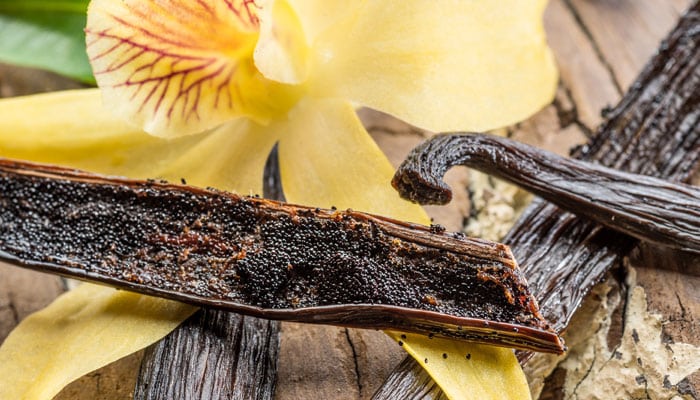
Vanilla is one of the most widely consumed spices in the world. As an aromatic plant, the composition of the vanilla bean sold in shops is very rich in flavour, and in particular in vanillin. It is very easy to synthesise vanillin, which is then known as synthetic vanillin.
This synthetic vanillin can replace natural vanillin, so that the finished product cannot be labelled as “natural vanilla flavour”. The unauthorised use of synthetic vanillin is called adulteration and is considered fraud. It is therefore essential to ensure regular controls on raw materials, but also on commercial products.
The Phytocontrol solution
Controls can be carried out using different technologies:
- The determination of the carbon isotope ratio 13C/12C of vanillin by GC-IRMS provides information on adulteration.
- The analysis of the other constituents of vanilla (PHB aldehyde, PHB acid, vanillic acid) indicates whether all the compounds naturally present in vanilla have been identified and quantified at the expected values.
Phytocontrol offers to assist you in the search for vanilla authenticity and to control the absence of adulteration thanks to the determination of isotopic ratios and the analysis of the various vanilla compounds..