Where do Perchlorate and Chlorate come from?
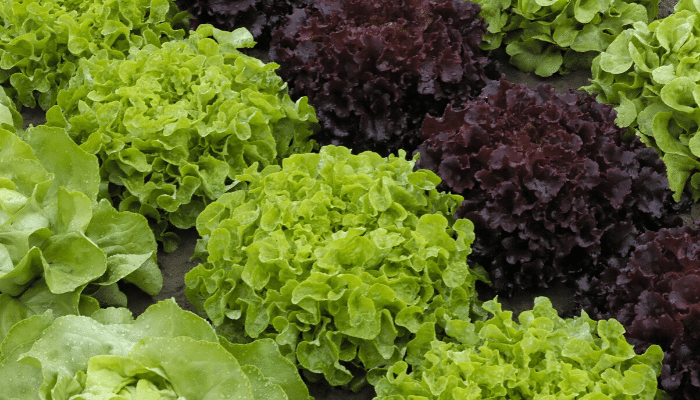
In Europe, perchlorate is a contaminant that can be naturally present in the environment or result from human activity. The use of fertilisers and irrigation water contaminated with perchlorate can lead to high concentrations in leafy vegetables.
Chlorates are molecules that can have several origins (environmental contaminants for example because they have long been authorised as pesticides, by-products of chlorinated biocides, by-products of chlorinated processing aids, etc.).
Chlorate ions are by-products of the disinfection of water or foodstuffs with sodium hypochlorite or chlorine dioxide, and the presence of chlorine in foodstuffs would be linked essentially to the use of chlorinated water during processing (washing, bleaching, etc.).
justify no-repeat;left top;; auto
Which products are concerned?
no-repeat;left top;; auto
Vegetables
center no-repeat;left top;; auto
Fruit trees
center no-repeat;left top;; auto
The vine
center no-repeat;left top;; auto
Cereals
center no-repeat;left top;; auto
Regulations
Perchlorate is naturally present in the environment but also has anthropogenic origins.
Water, soil and fertilisers are considered potential sources of perchlorate contamination of foodstuffs.
To date, only a guide published by the European Commission sets limits in foodstuffs. A regulation is currently under preparation.
Chlorates have been banned in Europe since 10 May 2009. They are subject to a default MRL of 0.01mg/kg.
In addition to its former use in pharmaceuticals, chlorates are also formed as a degradation product during the use of chlorinated disinfectants in food processing and drinking water.
As a result of this use, detections above the default MRL are often encountered. Therefore, the commission is currently working on a regulation setting new MRLs for this parameter.
justify no-repeat;left top;; auto
The Phytocontrol solution
Phytocontrol, expert in pesticide analysis, adapts to your needs and offers you the analysis of chlorate by a specific method and a multipolar method by LC-MS/MS with a quantification limit of 5 ppb.
The laboratory also offers you the analysis of perchlorate by a specific method by LC-MS/MS with a limit of quantification of 5 ppb and a multipolar method by LC-MS/MS with a limit of quantification of 2 ppb.
-
Multipolar method (Chlorate) : Fast and reliable analysis using the latest generation LC-MS/MS.
-
Multipolar method (Perchlorate) : Fast and reliable analysis thanks to a last generation LC-MS/MS method performance with a QL at 2ppb.
no-repeat;left top;; auto Contact our Customer Service /en/contact-phytocontrol/ center left #ed910d 2 Pourquoi choisir Phytocontrol
Why choose Phytocontrol
no-repeat;center top;; auto Texte SEO
Phytocontrol is a technological and human project that meets the societal challenges of water and food safety with proximity, expertise, reactivity and reliability. The Laboratory provides you with the most reliable, innovative and eco-responsible solutions to guarantee you the best European expertise. A step ahead in technology, Phytocontrol develops its own Information System via a latest-generation Datacenter and innovates with its own system for tracking the sample’s progress. Anticipation is Phytocontrol’s credo and it is its intention to stay ahead!
no-repeat;center top;; auto fadeInUp animate-delay-200 Proximity h4
Our local agencies ensure an active technical and logistic follow up
icon-lamp

top fadeInUp Expertise h4
A European expert in testing for contaminants
icon-lamp

top fadeInUp animate-delay-200 Responsiveness h4
Your routine analyses results within 2 to 6 days
icon-lamp

top fadeInUp animate-delay-400 Reliability h4
Our studies are carried out with a view to providing you with the greatest reliability of analysis
icon-lamp

top fadeInUp animate-delay-800 Let’s start your project together /en/contact-access/ center left 2
#CCCCCC

#CCCCCC

#CCCCCC
Where do Perchlorate and Chlorate come from?
In Europe, perchlorate is a contaminant that can be naturally present in the environment or result from human activity. The use of fertilisers and irrigation water contaminated with perchlorate can lead to high concentrations in leafy vegetables.
Chlorates are molecules that can have several origins (environmental contaminants for example because they have long been authorised as pesticides, by-products of chlorinated biocides, by-products of chlorinated processing aids, etc.).
Chlorate ions are by-products of the disinfection of water or foodstuffs with sodium hypochlorite or chlorine dioxide, and the presence of chlorine in foodstuffs would be linked essentially to the use of chlorinated water during processing (washing, bleaching, etc.).
justify no-repeat;left top;; auto
Which products are concerned?
no-repeat;left top;; auto
Vegetables
center no-repeat;left top;; auto
Fruit trees
center no-repeat;left top;; auto
The vine
center no-repeat;left top;; auto
Cereals
center no-repeat;left top;; auto
Regulations
Perchlorate is naturally present in the environment but also has anthropogenic origins.
Water, soil and fertilisers are considered potential sources of perchlorate contamination of foodstuffs.
To date, only a guide published by the European Commission sets limits in foodstuffs. A regulation is currently under preparation.
Chlorates have been banned in Europe since 10 May 2009. They are subject to a default MRL of 0.01mg/kg.
In addition to its former use in pharmaceuticals, chlorates are also formed as a degradation product during the use of chlorinated disinfectants in food processing and drinking water.
As a result of this use, detections above the default MRL are often encountered. Therefore, the commission is currently working on a regulation setting new MRLs for this parameter.
justify no-repeat;left top;; auto
The Phytocontrol solution
Phytocontrol, expert in pesticide analysis, adapts to your needs and offers you the analysis of chlorate by a specific method and a multipolar method by LC-MS/MS with a quantification limit of 5 ppb.
The laboratory also offers you the analysis of perchlorate by a specific method by LC-MS/MS with a limit of quantification of 5 ppb and a multipolar method by LC-MS/MS with a limit of quantification of 2 ppb.
-
Multipolar method (Chlorate) : Fast and reliable analysis using the latest generation LC-MS/MS.
-
Multipolar method (Perchlorate) : Fast and reliable analysis thanks to a last generation LC-MS/MS method performance with a QL at 2ppb.
no-repeat;left top;; auto Contact our Customer Service /en/contact-phytocontrol/ center left #ed910d 2 Pourquoi choisir Phytocontrol
Why choose Phytocontrol
no-repeat;center top;; auto Texte SEO
Phytocontrol is a technological and human project that meets the societal challenges of water and food safety with proximity, expertise, reactivity and reliability. The Laboratory provides you with the most reliable, innovative and eco-responsible solutions to guarantee you the best European expertise. A step ahead in technology, Phytocontrol develops its own Information System via a latest-generation Datacenter and innovates with its own system for tracking the sample’s progress. Anticipation is Phytocontrol’s credo and it is its intention to stay ahead!
no-repeat;center top;; auto fadeInUp animate-delay-200 Proximity h4
Our local agencies ensure an active technical and logistic follow up
icon-lamp
top fadeInUp Expertise h4
A European expert in testing for contaminants
icon-lamp
top fadeInUp animate-delay-200 Responsiveness h4
Your routine analyses results within 2 to 6 days
icon-lamp
top fadeInUp animate-delay-400 Reliability h4
Our studies are carried out with a view to providing you with the greatest reliability of analysis
icon-lamp
top fadeInUp animate-delay-800 Let’s start your project together /en/contact-access/ center left 2