Controlling the risks of ergot alkaloids
The Phytocontrol laboratory has optimized its method of analysis of ergot alkaloids to achieve a lower limit of quantification and is extending its accreditation to animal feed and products intended for infant nutrition.
Alkaloids are toxic secondary metabolites naturally present in some plant species. There are several types such as tropanics, pyrrolizidines, ergot, piperine, chaconine, solanine…
All these alkaloids are analyzed with ULFC-MS / MS accredited methods allowing the identification and quantification of residues of the same family of alkaloids by injection.
What are the risks for humans ?
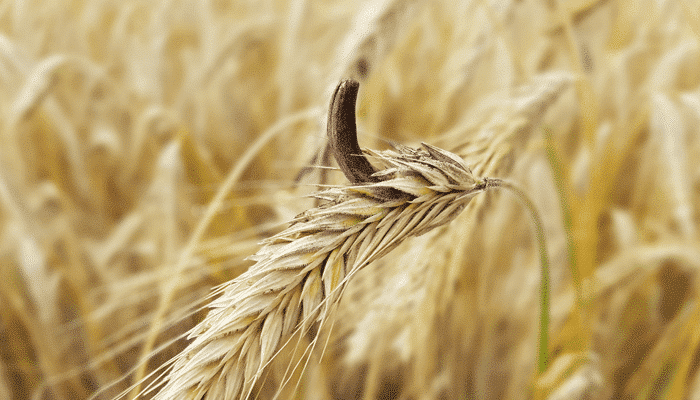
Ergot alkaloids are toxins produced by a fungus – Claviceps purpurea – a parasite of rye and other grains. This fungus replaces the seeds forming sclerotia containing the alkaloids responsible for ergotism, a disease that occurs in two forms: a convulsive form and a gangrenous form.
The presence of these substances in foodstuffs is likely to cause undesirable effects on health and therefore present a health risk.
These toxins dangerous for humans and animals are found in cereals, cereal products, animal feed and infant foods.
Our solution dedicated to the food safety of cereal products
To help producers, processors and industrialists in the Cereals sector to face the challenges of the new European regulations expected soon on ergot alkaloids, the Phytocontrol laboratory offers the quantification of these alkaloids using a specific method by HPLC-MS / MS. This analysis has recently been optimized to achieve lower quantification limits, of the order of 2 µg / kg, again with short deadlines of 3 to 5 days.
Phytocontrol is also extending its COFRAC accreditation for the analysis of ergot alkaloids on Feed and Babyfood products.
Need technical, regulatory and pricing information? Our customer service is available from 8am to 8pm from Monday to Friday at +44 (0) 2037 430 973 or service-clients@phytocontrol.com
And to not miss anything of the Phytocontrol news, join us on our LinkedIn and Facebook page!